

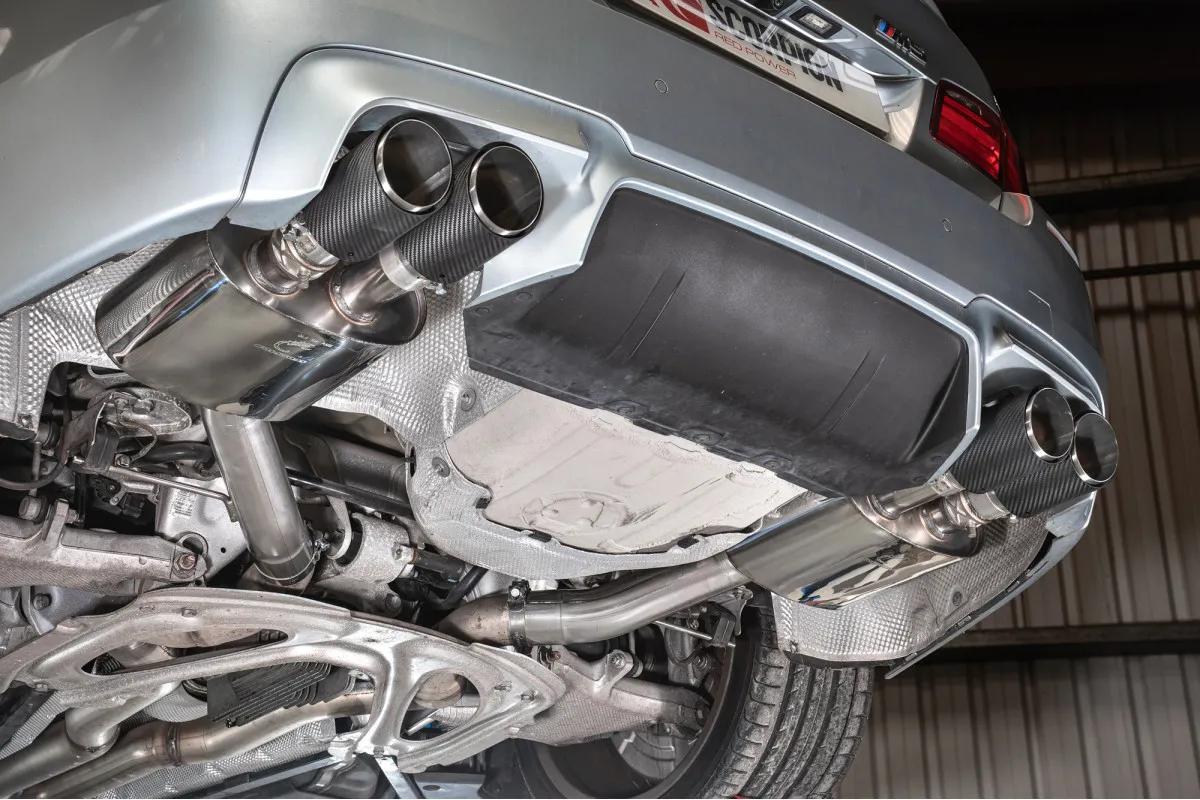
Performance Exhaust Upgrades for Audi RS4 RS5 and BMW M5
Modern performance cars combine advanced engineering, turbocharged power, and sophisticated electronics to deliver impressive driving experiences. For enthusiasts looking to refine their vehicles, the exhaust system is often an important area of consideration. Downpipes can influence exhaust flow and the overall character of a turbocharged powertrain, making vehicle-specific design and quality especially important. Two applications frequently researched by performance enthusiasts are the Audi RS4/RS5 and the BMW M5 G90/G99.
Understanding Audi RS4 and RS5 Downpipes
The Audi RS4 and RS5 are known for combining everyday usability with strong performance. Their turbocharged engines and carefully engineered exhaust systems provide an excellent foundation for enthusiasts interested in aftermarket upgrades. audi rs4 rs5 downpipes are designed specifically around these performance platforms and can form part of a broader exhaust modification.
When selecting components, fitment should be one of the first considerations. A properly engineered downpipe should match the vehicle's exhaust layout, mounting points, and connection requirements. Quality materials and precise fabrication are equally important because exhaust components operate under high temperatures, pressure, and vibration.
Owners should verify the exact model year and engine specification before purchasing. Even vehicles within the same model family can have differences that affect compatibility. Checking manufacturer specifications can help prevent installation complications and unnecessary costs.
BMW M5 G90 and G99 Secondary Downpipes
The latest BMW M5 G90 and G99 Touring bring substantial performance together with advanced hybrid technology and everyday practicality. As owners explore exhaust modifications, secondary downpipes can become another area of interest.
bmw m5 g90 g99 secondary downpipes are designed around the specific exhaust architecture of these newer M5 models. Because modern BMW exhaust systems include multiple components and sensors, selecting a vehicle-specific product is particularly important.
Secondary exhaust components should be considered as part of the complete system rather than as isolated parts. Their compatibility with existing exhaust components, sensors, and connection points can affect installation and overall performance.
Why Construction Quality Matters
Performance exhaust components experience significant thermal stress. High temperatures and repeated heating and cooling cycles can place demanding conditions on materials and welds. A well-manufactured component should therefore have accurate dimensions, reliable welds, and properly engineered mounting points.
When comparing different options, enthusiasts should look beyond appearance and consider the specifications behind the product. Material selection, manufacturing consistency, and vehicle-specific engineering can all contribute to a more dependable installation.
Important Factors Before Purchasing
Before selecting an aftermarket exhaust component, take time to confirm the details of the vehicle and intended application. A few basic checks can help avoid problems later.
Consider the following:
Exact vehicle generation and model year
Engine and drivetrain configuration
Primary or secondary exhaust position
Material and fabrication quality
Connection and flange design
Compatibility with other exhaust components
Installation requirements
Local emissions and noise regulations
These considerations are especially relevant for modern performance cars equipped with sophisticated emissions systems.
Installation Considerations
Installing exhaust components on a high-performance vehicle may require specialized tools and technical knowledge. Limited access around exhaust connections, heat shields, sensors, and surrounding components can make professional installation worthwhile.
After installation, the system should be checked for leaks, unusual vibration, and clearance issues. Any warning lights or unexpected changes in vehicle behavior should also be investigated rather than ignored.
Owners considering additional engine or ECU modifications should separately review warranty and emissions implications. Hardware changes do not automatically mean that software changes are appropriate or necessary.
Creating a Balanced Exhaust Setup
The best performance setup is rarely about making a single component as aggressive as possible. Instead, the goal should be a balanced combination that suits the vehicle and how it is driven. A daily-driven RS4, RS5, or M5 may require a different exhaust approach from a vehicle used primarily for private track events.
Sound, comfort, reliability, emissions compliance, and compatibility should all be considered alongside performance objectives. Choosing quality components can also make future upgrades easier because the system is built around a logical configuration.
Final Thoughts
Audi RS4 and RS5 owners, along with BMW M5 G90 and G99 enthusiasts, have several options when exploring aftermarket exhaust upgrades. Whether researching downpipes or secondary exhaust components, careful attention to fitment, construction, installation, and legal requirements is essential. A well-planned modification can complement the character of a high-performance vehicle while maintaining a sensible focus on quality, reliability, and responsible use.