

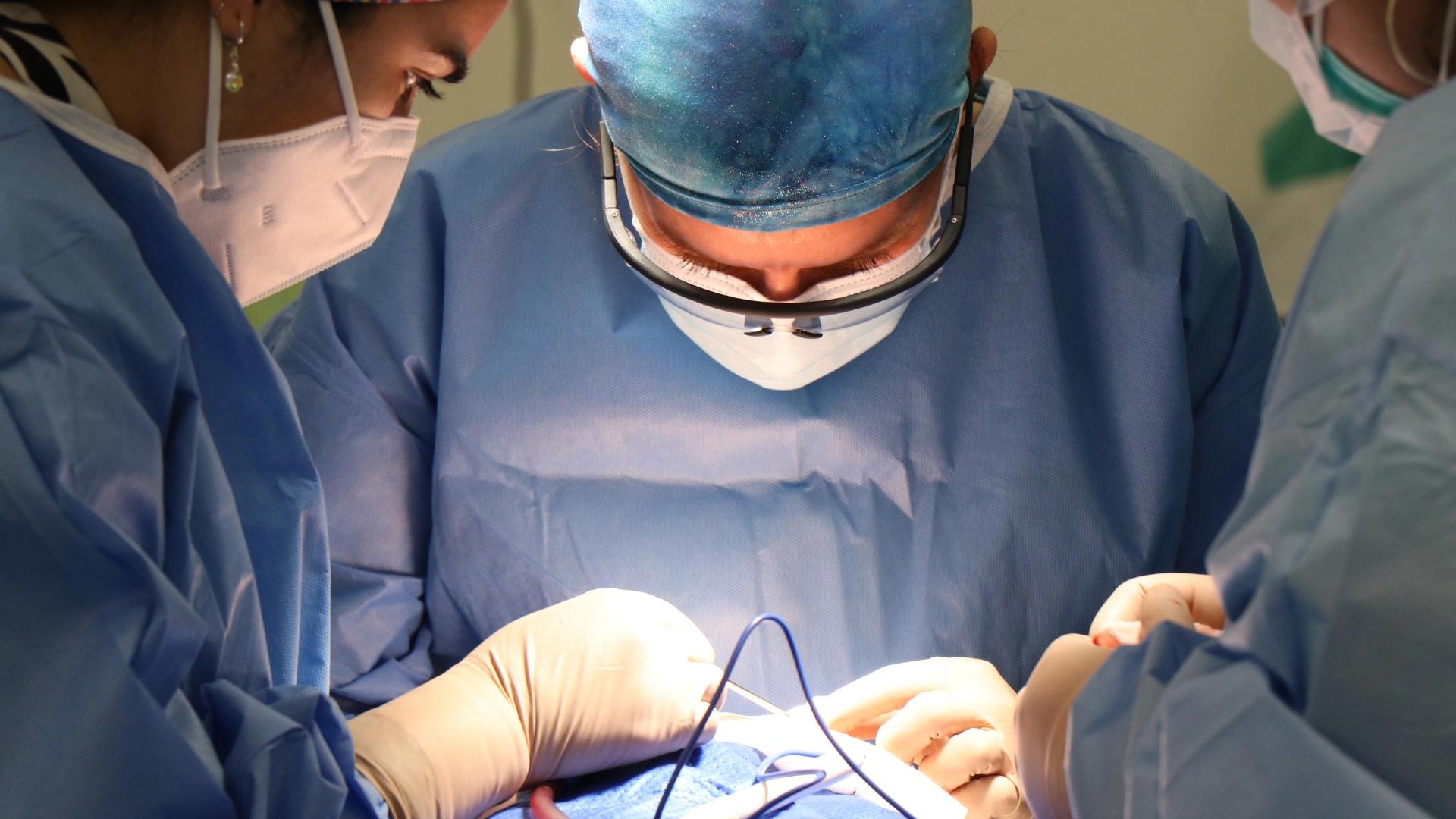
Surgical Oncologist in Kolkata – Specialised Care for Tumour Removal
Cancer surgery demands both technical precision and sound clinical judgement. Patients looking for a surgical oncologist in Kolkata seek professionals who stay updated with evolving guidelines and maintain high surgical volumes. The city’s oncology services continue to expand, offering more options for evidence-based treatment.
Unexpected findings during surgery sometimes require modification of the planned procedure. Experienced surgeons adapt while keeping oncological safety as the priority.
Surgery is often combined with chemotherapy or targeted therapy. Sequencing is decided jointly so that each modality contributes optimally to disease control.
Intra-operative pathology assessment helps confirm margin status or diagnose uncertain lesions. This real-time feedback improves the accuracy of the operation.
Detailed history, physical examination, imaging review, and fitness assessment form the foundation. Cardiac, respiratory, and nutritional status are optimised before major surgery whenever possible.
The primary goals are complete tumour removal with adequate margins, appropriate lymph node assessment, and minimal damage to surrounding healthy tissue. These principles guide every procedure.
Core Principles of Oncological Surgery
The primary goals are complete tumour removal with adequate margins, appropriate lymph node assessment, and minimal damage to surrounding healthy tissue. These principles guide every procedure.
Physiotherapy, speech therapy, or stoma care training may be required depending on the type of surgery. Structured programmes improve functional recovery.
Pre-Operative Evaluation Process
Detailed history, physical examination, imaging review, and fitness assessment form the foundation. Cardiac, respiratory, and nutritional status are optimised before major surgery whenever possible.
Intra-Operative Decision Making
Unexpected findings during surgery sometimes require modification of the planned procedure. Experienced surgeons adapt while keeping oncological safety as the priority.
The primary goals are complete tumour removal with adequate margins, appropriate lymph node assessment, and minimal damage to surrounding healthy tissue. These principles guide every procedure.
Use of Frozen Section Analysis
Intra-operative pathology assessment helps confirm margin status or diagnose uncertain lesions. This real-time feedback improves the accuracy of the operation.
Detailed history, physical examination, imaging review, and fitness assessment form the foundation. Cardiac, respiratory, and nutritional status are optimised before major surgery whenever possible.
Post-Operative Monitoring
Close observation for bleeding, infection, or organ dysfunction is standard. Early detection and management of complications improve overall results.
The primary goals are complete tumour removal with adequate margins, appropriate lymph node assessment, and minimal damage to surrounding healthy tissue. These principles guide every procedure.
Physiotherapy, speech therapy, or stoma care training may be required depending on the type of surgery. Structured programmes improve functional recovery.
Integration with Systemic Therapy
Surgery is often combined with chemotherapy or targeted therapy. Sequencing is decided jointly so that each modality contributes optimally to disease control.
Intra-operative pathology assessment helps confirm margin status or diagnose uncertain lesions. This real-time feedback improves the accuracy of the operation.
Detailed history, physical examination, imaging review, and fitness assessment form the foundation. Cardiac, respiratory, and nutritional status are optimised before major surgery whenever possible.
Patient Safety Protocols
Checklists, antibiotic prophylaxis, deep-vein thrombosis prevention, and careful tissue handling reduce preventable complications. High-volume centres follow these protocols consistently.
Emotional and Psychological Support
A cancer diagnosis and upcoming surgery create significant stress. Counselling services and peer support groups help patients and families cope better.
Surgery is often combined with chemotherapy or targeted therapy. Sequencing is decided jointly so that each modality contributes optimally to disease control.
Rehabilitation After Major Resections
Physiotherapy, speech therapy, or stoma care training may be required depending on the type of surgery. Structured programmes improve functional recovery.
Long-Term Outcome Tracking
Many centres maintain databases to monitor survival, recurrence rates, and quality-of-life measures. This data helps refine future treatment approaches.
Consulting a qualified best surgical oncologist in Kolkata ensures access to specialised knowledge and coordinated care. Timely action and adherence to follow-up schedules contribute meaningfully to successful long-term management.
Physiotherapy, speech therapy, or stoma care training may be required depending on the type of surgery. Structured programmes improve functional recovery.
Surgery is often combined with chemotherapy or targeted therapy. Sequencing is decided jointly so that each modality contributes optimally to disease control.
Intra-operative pathology assessment helps confirm margin status or diagnose uncertain lesions. This real-time feedback improves the accuracy of the operation.
Detailed history, physical examination, imaging review, and fitness assessment form the foundation. Cardiac, respiratory, and nutritional status are optimised before major surgery whenever possible.