

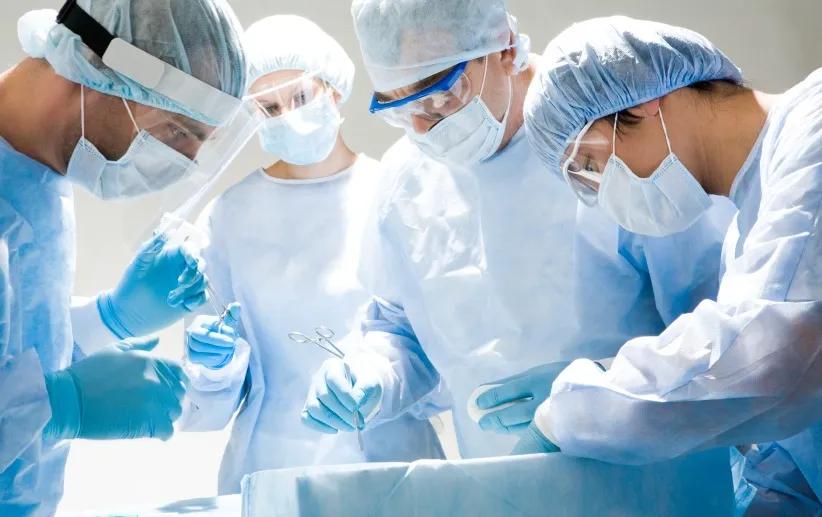
Senior Orthopedic Spine Surgeon in Bangalore for Specialized Spine Care
Spine health is essential for comfortable movement, good posture, balance, and an active lifestyle. Persistent back pain, neck pain, stiffness, numbness, or weakness can affect work, sleep, and daily activities. While occasional discomfort may improve with rest, recurring or severe symptoms should be professionally evaluated. Consulting a Senior Orthopedic Spine Surgeon in Bangalore can help patients understand the underlying condition and choose an appropriate treatment approach. Bangalore offers advanced healthcare facilities, experienced orthopedic specialists, modern diagnostic services, and rehabilitation support for patients with different spinal disorders.
Understanding Common Spine Conditions
The spine contains vertebrae, discs, nerves, muscles, ligaments, and joints that work together to support the body and allow movement. Problems affecting these structures can lead to pain and restricted mobility. Common conditions include herniated discs, degenerative disc disease, spinal stenosis, spondylolisthesis, scoliosis, spinal fractures, and nerve compression.
Symptoms can differ according to the location and severity of the problem. Some people experience localized back or neck pain, while others may have radiating pain in the arms or legs. Numbness, tingling, muscle weakness, and difficulty maintaining balance may also occur. Proper evaluation helps determine the cause instead of relying on assumptions or self-treatment.
Why Specialized Spine Care Matters
Spinal conditions can have different causes and may require different treatment strategies. An Orthopedic Spine Surgeon in Bangalore can review the patient's symptoms, medical history, physical examination findings, and diagnostic reports before recommending a personalized plan.
Treatment does not always mean surgery. Depending on the diagnosis, a specialist may recommend physiotherapy, prescribed medication, posture correction, exercise, activity modification, or other conservative measures. Surgical treatment may be considered when there is significant nerve compression, structural instability, severe symptoms, or inadequate improvement with non-surgical care.
Diagnosis and Clinical Evaluation
Accurate diagnosis is an important part of spine treatment. During consultation, a specialist may evaluate spinal movement, muscle strength, reflexes, sensation, and neurological function. Imaging studies such as X-rays, MRI scans, or CT scans may be recommended when clinically necessary.
These investigations can help identify abnormalities involving discs, vertebrae, nerves, or the spinal canal. A detailed assessment allows the doctor to understand the condition more clearly and discuss suitable treatment choices with the patient.
Modern Treatment Options
Advancements in orthopedic and spine care have made several treatment options available. Depending on the patient's condition, procedures may include decompression surgery, spinal fusion, minimally invasive spine surgery, disc-related procedures, and corrective surgery for selected spinal deformities.
Minimally invasive techniques may be appropriate for certain patients and can involve smaller incisions and less disruption to surrounding tissues. However, treatment should always be selected according to individual medical needs. Factors such as diagnosis, symptoms, imaging results, age, general health, and previous treatments can influence the recommended approach.
Choosing a Qualified Spine Surgeon
Selecting a spine specialist requires careful consideration. Patients can review professional qualifications, experience with specific spinal conditions, hospital infrastructure, diagnostic capabilities, surgical expertise, and postoperative care services.
During consultation, patients should feel comfortable asking about the proposed treatment, expected outcomes, possible risks, recovery duration, rehabilitation needs, and alternatives. A multidisciplinary healthcare environment can also provide coordinated assistance from orthopedic specialists, radiologists, anesthesiologists, physiotherapists, and rehabilitation professionals.
Recovery and Rehabilitation
Rehabilitation is an important part of comprehensive spine care. Following treatment or surgery, physiotherapy may help patients gradually improve strength, flexibility, mobility, and confidence during everyday activities. Recovery plans should be personalized and followed according to professional guidance.
Patients can also support long-term spinal health by maintaining a healthy weight, practicing proper posture, using ergonomic workstations, avoiding unsafe lifting techniques, and staying active within recommended limits. Regular follow-ups can help monitor recovery and address concerns at an early stage.
Conclusion
Choosing appropriate care for a spinal condition can support better mobility and quality of life. Bangalore provides access to experienced orthopedic professionals, advanced diagnostic technology, modern treatment techniques, and rehabilitation services. People experiencing persistent back or neck symptoms should seek evaluation from a qualified specialist instead of depending on prolonged self-treatment. With accurate diagnosis, personalized care, and appropriate follow-up, patients can take informed steps toward improved spinal health and everyday function.