

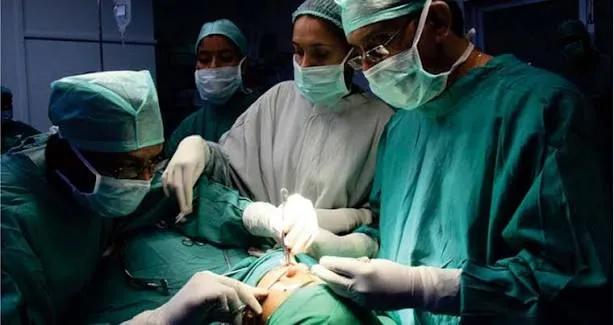
Robotic Head and Neck Surgery in Lucknow: A Modern Approach to Treatment
Medical technology has transformed the way complex surgical conditions are diagnosed and treated. In head and neck care, robotic-assisted procedures have emerged as an advanced option for selected patients who require precise surgical intervention. Robotic Head and Neck Surgery in Lucknow combines the experience of trained surgeons with sophisticated robotic technology to help perform certain procedures with enhanced visualization and instrument control. This approach may be useful for treating specific tumors and other conditions in difficult-to-reach areas. However, every patient's situation is different, and the decision to undergo robotic surgery should always be based on a detailed evaluation by a qualified specialist.
What Is Robotic Head and Neck Surgery?
Robotic head and neck surgery is a minimally invasive technique in which the surgeon controls specialized robotic instruments from a console. The robotic system does not independently perform the operation. Instead, the surgeon guides every movement while using a high-definition, magnified view of the surgical field.
The technology can be particularly helpful when operating in narrow or complex anatomical spaces. Robotic instruments are designed to provide flexibility and precise movement, allowing the surgeon to work carefully around important structures. Depending on the condition and surgical requirements, this approach may offer an alternative to some traditional open procedures.
When Is Robotic Surgery Recommended?
Robotic techniques may be considered for selected patients with certain head and neck tumors or cancers. Procedures can involve areas such as the tonsils, throat, and base of the tongue, depending on the patient's diagnosis and the surgeon's expertise.
However, robotic surgery is not appropriate for every condition. The size and location of a tumor, disease stage, involvement of nearby tissues, previous treatments, and the patient's overall health can influence the choice of surgery. Doctors may review biopsy findings, imaging reports, and other diagnostic information before determining the most suitable treatment plan.
Key Benefits of Robotic-Assisted Procedures
One of the main advantages of robotic-assisted surgery is improved visualization. The surgeon can view the operating area in high definition and with magnification, which may support accurate identification of anatomical structures. The flexibility of robotic instruments can also assist with controlled movements in areas that may be difficult to access using conventional techniques.
For carefully selected patients, minimally invasive procedures may reduce disruption to surrounding tissues. Depending on the operation, patients may experience less postoperative discomfort, smaller external incisions, or a potentially shorter recovery period. These benefits vary according to the procedure and individual patient factors, so realistic expectations should always be discussed with the treating surgeon.
Selecting an Experienced Specialist
Patients considering Robotic Head and Neck Surgery in Lucknow should carefully evaluate the qualifications and experience of the surgical team. A specialist with appropriate training in head and neck surgery and robotic-assisted procedures can help determine whether this technique is suitable for a particular condition.
It is also important to consider the overall healthcare facility. Access to modern diagnostic equipment, advanced operating technology, anesthesia services, intensive postoperative monitoring, and multidisciplinary care can support comprehensive treatment. Patients should feel comfortable discussing their diagnosis and treatment options openly with their medical team.
How Patients Prepare for Surgery
Preparation depends on the type of robotic procedure being planned. Before surgery, patients may undergo physical examinations, blood tests, imaging studies, and other diagnostic evaluations. A biopsy may also be required when investigating a suspected tumor or cancer.
Patients should provide their doctor with accurate information about current medications, allergies, previous surgeries, and existing medical conditions. The surgical team may also provide instructions regarding fasting and medication use before the procedure. Following these instructions carefully can help patients prepare safely.
Recovery After Robotic Surgery
The recovery period varies depending on the procedure performed and the patient's general health. Temporary symptoms may include throat discomfort, swelling, difficulty swallowing, or changes in eating habits. Doctors typically provide personalized guidance regarding medication, nutrition, physical activity, and follow-up care.
Regular follow-up appointments are important for monitoring healing and evaluating treatment results. If surgery is performed for cancer, additional treatment such as radiation therapy or chemotherapy may be recommended depending on pathology findings and the overall treatment plan.
Conclusion
Robotic-assisted surgery is an important advancement in modern head and neck treatment. By combining surgical expertise with advanced technology, it can offer a valuable option for selected patients who require precise treatment in challenging anatomical areas. Patients interested in this approach should seek a comprehensive medical evaluation and discuss the potential benefits, risks, and alternatives with a qualified specialist. With individualized planning, appropriate surgical expertise, and careful follow-up, patients can make informed decisions about their treatment and take positive steps toward recovery.