

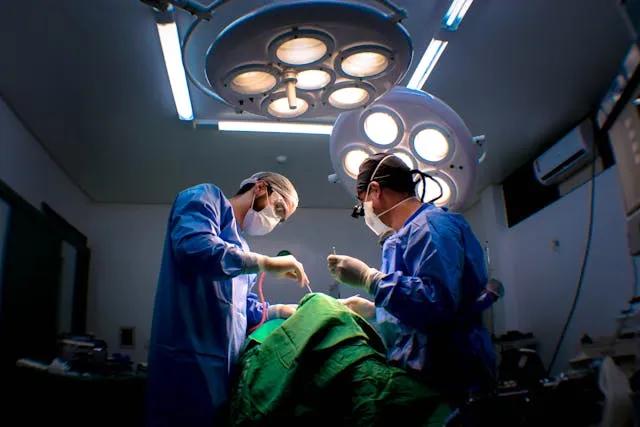
Robotic General Surgery in Lucknow: Advancing Patient Care with Modern Technology
Advancements in medical science have transformed surgical procedures, making them safer, more precise, and less invasive than ever before. Robotic General Surgery in Lucknow is one such innovation that is changing the way surgeons perform complex operations. By integrating robotic technology with the expertise of experienced surgeons, patients can benefit from improved accuracy, smaller incisions, and faster recovery. As leading hospitals continue to adopt robotic surgical systems, more people in Lucknow have access to advanced treatment options for various general surgical conditions.
What Is Robotic General Surgery?
Robotic general surgery is a modern surgical technique where a surgeon controls robotic instruments through a computerized console. The robotic system enhances the surgeon's hand movements, allowing for exceptional precision during delicate procedures. Although advanced technology is involved, the robot does not operate independently. Every movement is directed by the surgeon, ensuring complete control and patient safety throughout the operation.
The system also provides a high-definition, three-dimensional view of the surgical site, enabling better visualization of tissues and organs during surgery.
Conditions Commonly Treated
Robotic-assisted surgery has become an effective option for treating several general surgical conditions. Depending on the patient's diagnosis, surgeons may recommend robotic procedures for:
Hernia repair
Gallbladder removal
Appendix surgery
Colon and rectal disorders
Gastrointestinal diseases
Abdominal wall reconstruction
Selected abdominal tumors
Before recommending robotic surgery, doctors perform a comprehensive evaluation to determine whether it is the most suitable treatment approach for the individual.
Benefits of Minimally Invasive Robotic Surgery
One of the major advantages of Minimally Invasive Robotic Surgery is its ability to reduce trauma to the body while maintaining high surgical precision. Small incisions generally result in less bleeding, reduced postoperative pain, and a lower chance of infection. Patients often experience minimal scarring and enjoy a shorter hospital stay compared to traditional open surgery.
The robotic instruments can rotate with greater flexibility than the human wrist, allowing surgeons to access difficult areas with remarkable accuracy. This improved control is especially valuable during complex surgical procedures.
Preparing for the Procedure
Preparation begins with a detailed consultation between the patient and the surgical team. Doctors review medical history, perform physical examinations, and order diagnostic tests such as blood work and imaging scans when necessary.
Patients should inform their surgeon about current medications, allergies, previous surgeries, and existing health conditions. Following preoperative instructions, including fasting and medication adjustments, helps minimize surgical risks and supports a successful operation.
Recovery After Robotic Surgery
Recovery following robotic-assisted surgery is generally faster than recovery after conventional open procedures. Many patients are encouraged to walk within a short period after surgery to improve circulation and reduce the risk of complications.
Maintaining a healthy diet, drinking adequate fluids, taking prescribed medications, and following wound care instructions all contribute to smooth healing. Patients should also attend scheduled follow-up appointments so the surgeon can monitor recovery and address any concerns.
Although many individuals return to work and regular activities sooner, strenuous exercise and heavy lifting should only resume after medical approval.
Why Choosing an Experienced Surgeon Matters
The success of robotic surgery depends not only on advanced technology but also on the skill and experience of the surgical team. Well-trained surgeons understand how to maximize the benefits of robotic systems while ensuring patient safety throughout every stage of treatment.
Selecting a hospital with modern facilities, experienced specialists, and comprehensive postoperative care can significantly improve the overall treatment experience and long-term outcomes.
Conclusion
Robotic-assisted surgery has become an important advancement in modern healthcare by offering precise, minimally invasive treatment for a wide range of general surgical conditions. With smaller incisions, quicker recovery, and enhanced surgical accuracy, it continues to improve the patient experience. As healthcare technology evolves, robotic surgery is expected to play an even greater role in delivering safe, efficient, and high-quality surgical care. Patients considering surgical treatment should consult a qualified specialist to determine whether robotic-assisted surgery is the right option for their specific medical needs.