

PET Scan Cost and PET CT Scan Cost in India: A Complete Guide
PET scans are advanced diagnostic imaging tests that help doctors understand how tissues and organs are functioning. They are especially valuable in cancer diagnosis, staging, treatment planning, and monitoring. As these scans involve specialised equipment and radioactive tracers, their prices can vary between hospitals and diagnostic centres. Understanding the PET scan cost in India can help patients plan their diagnostic journey and compare available healthcare options.
What Is a PET Scan?
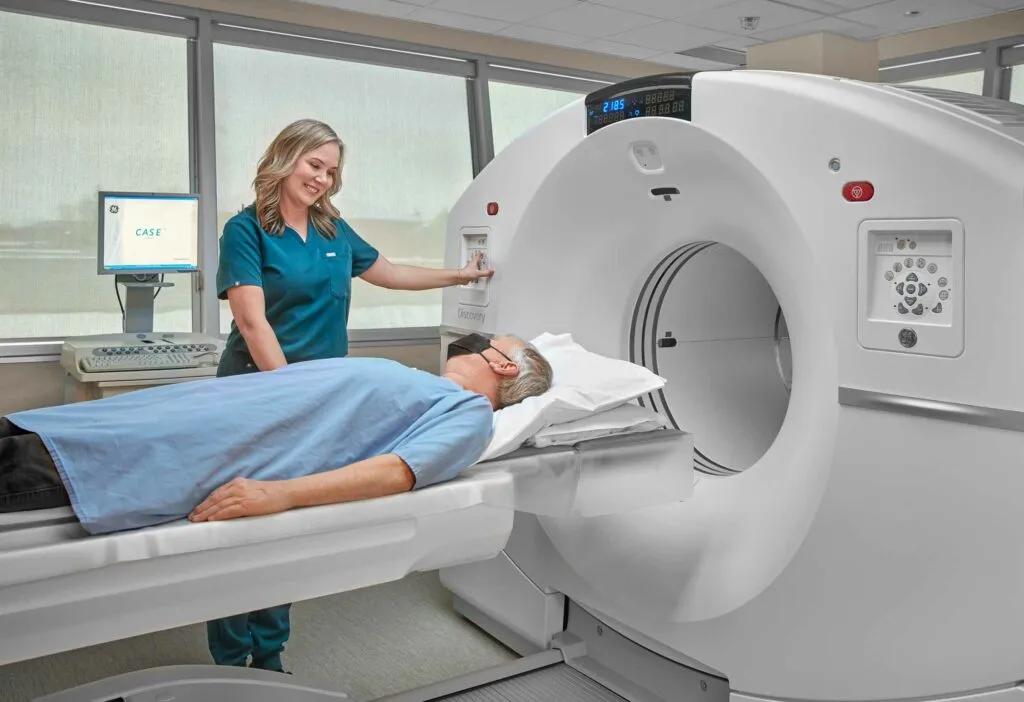
Positron Emission Tomography, commonly called PET, is a functional imaging technique that uses a small quantity of radioactive tracer. The tracer highlights areas of increased metabolic activity, helping doctors identify abnormal tissues. PET imaging can be recommended for selected cancers and certain neurological or cardiac conditions.
PET scans are often performed alongside CT imaging. PET shows metabolic activity, while CT provides detailed anatomical information. When both technologies are combined, doctors can evaluate abnormalities more precisely and understand their location within the body.
PET CT Scan Cost in India
The PET CT scan cost in India depends on several factors, including the location of the diagnostic centre, type of tracer, scanning technology, hospital facilities, and purpose of the examination. In many centres, a PET-CT scan may generally cost around ₹8,000 to ₹25,000 or more.
This is only an approximate range because prices differ across cities and healthcare providers. Specialised scans using particular tracers may have different charges. Patients should contact the selected hospital or diagnostic centre for the latest quotation before scheduling the examination.
Factors Affecting PET-CT Scan Pricing
Several factors can influence the final price of a PET-CT scan. One major consideration is the radioactive tracer used during the examination. The type of tracer depends on the patient's medical condition and the clinical question being investigated.
The extent of imaging can also affect pricing. A whole-body PET-CT for cancer evaluation may have different charges from specialised PET imaging. Equipment quality, specialist interpretation, facility infrastructure, consultation fees, and reporting services can further influence the overall expense.
Why Is PET-CT Important in Cancer Care?
PET-CT is widely used in modern oncology because it can provide information about both metabolic activity and anatomical structures. Doctors may recommend the examination to investigate suspected cancer, determine the extent of an existing tumour, identify possible spread, evaluate treatment response, or look for signs of recurrence.
However, PET-CT results are not normally assessed in isolation. Doctors consider imaging findings along with symptoms, medical history, blood tests, biopsy results, and other diagnostic investigations before recommending treatment.
Choosing the Right PET-CT Centre
When selecting a diagnostic centre, patients should consider factors beyond the quoted price. The experience of nuclear medicine specialists and radiologists, quality of imaging equipment, radiation-safety standards, reporting procedures, and patient support can all be important.
It is also advisable to ask what the quoted package includes. Some centres may include the tracer, imaging, consultation, and report in one package, while others may list additional charges separately. Understanding these details can make price comparisons more accurate.Positron Emission Tomography, commonly called PET, is a functional imaging technique that uses a small quantity of radioactive tracer. The tracer highlights areas of increased metabolic activity, helping doctors identify abnormal tissues. PET imaging can be recommended for selected cancers and certain neurological or cardiac conditions.
PET scans are often performed alongside CT imaging. PET shows metabolic activity, while CT provides detailed anatomical information. When both technologies are combined, doctors can evaluate abnormalities more precisely and understand their location within the body.
Preparing for a PET-CT Scan
Preparation requirements depend on the type of scan and the patient's medical condition. Patients may be advised to fast for a certain period before the examination and avoid strenuous physical activity. People with diabetes or other health considerations should discuss preparation requirements with their healthcare team beforehand.
During the procedure, the tracer is administered and the patient usually rests while it distributes through the body. The imaging process is then performed while the patient remains still. Following the centre's instructions carefully can support accurate imaging.
Several factors can influence the final price of a PET-CT scan. One major consideration is the radioactive tracer used during the examination. The type of tracer depends on the patient's medical condition and the clinical question being investigated.
The extent of imaging can also affect pricing. A whole-body PET-CT for cancer evaluation may have different charges from specialised PET imaging. Equipment quality, specialist interpretation, facility infrastructure, consultation fees, and reporting services can further influence the overall expense.
Conclusion
PET and PET-CT scans are valuable tools for obtaining detailed information about disease activity and anatomy. Although costs can vary considerably across India, patients should consider diagnostic quality, specialist expertise, technology, and included services rather than choosing a centre solely on price. Discussing the need for the scan with a qualified doctor and confirming the complete cost with the diagnostic centre can help patients make an informed healthcare decision.