

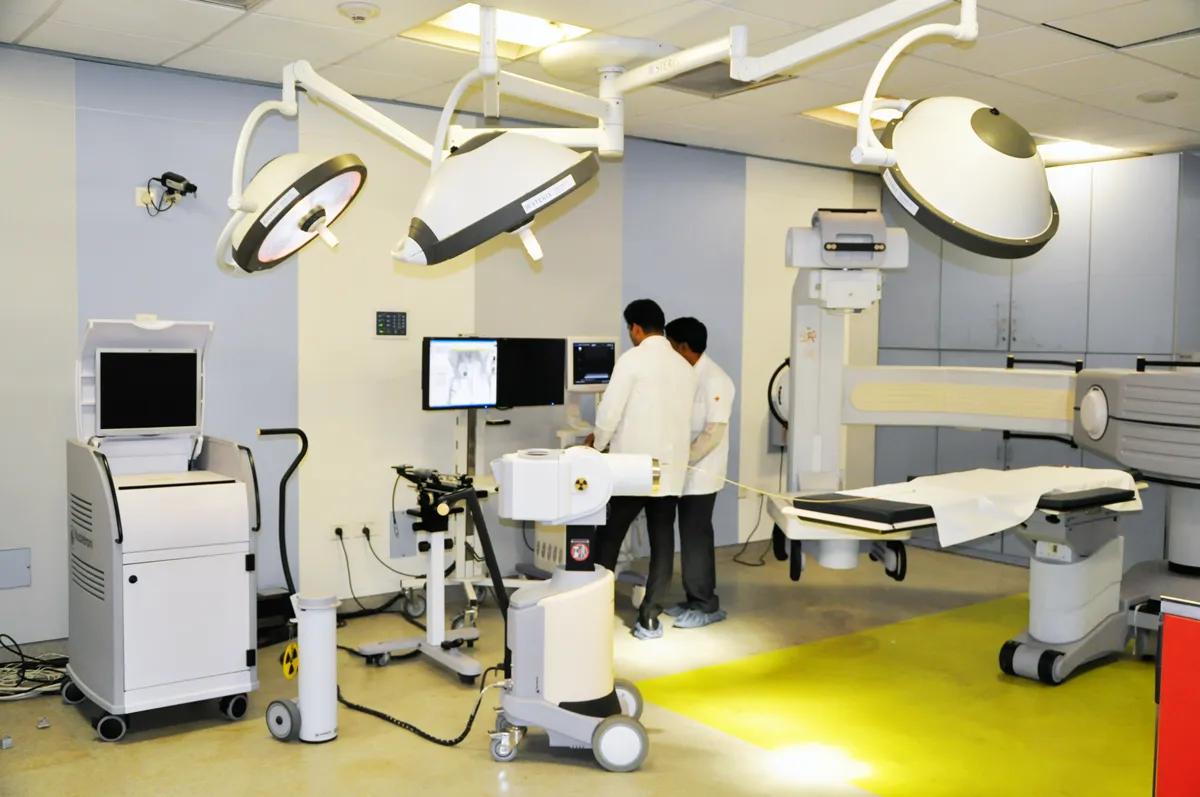
Cancer Hospital in Lucknow: Comprehensive Oncology Care for Every Stage of Cancer
Introduction
Cancer treatment has advanced significantly over the past decade, offering patients more effective therapies and improved survival rates. However, the success of treatment depends greatly on choosing the right healthcare provider. A trusted Cancer Hospital in Lucknow offers advanced diagnostic facilities, experienced specialists, and personalized treatment plans tailored to every patient's condition. From early cancer screening to complex surgeries and rehabilitation, comprehensive cancer centers provide holistic care under one roof. With access to modern medical technology and multidisciplinary expertise, patients can receive quality treatment while maintaining their overall well-being throughout the recovery journey.
Early Diagnosis Improves Treatment Success
Detecting cancer at an early stage greatly increases the chances of successful treatment. Leading hospitals use advanced diagnostic technologies to identify cancer accurately and determine its type and stage before beginning treatment.
Common diagnostic services include:
PET-CT Scan
MRI and CT Scan
Digital Mammography
Ultrasound Imaging
Tissue Biopsy
Histopathology
Blood Tumor Marker Tests
Genetic and Molecular Testing
Accurate diagnosis enables doctors to create customized treatment plans that deliver better outcomes while minimizing unnecessary procedures.
Advanced Cancer Treatment Options
A leading Oncology Hospital in Lucknow offers a complete range of treatment services designed according to the patient's diagnosis and overall health. Every treatment plan is developed after consultation with multiple cancer specialists to ensure the best possible results.
Medical Oncology
Medical oncology includes chemotherapy, immunotherapy, targeted therapy, and hormone therapy. These modern treatments focus on destroying cancer cells while reducing side effects and improving patient comfort.
Surgical Oncology
Surgery is often the preferred treatment for localized cancers. Advanced minimally invasive and robotic-assisted surgical techniques allow greater precision, smaller incisions, faster healing, and reduced hospital stays.
Radiation Oncology
Modern radiation therapy uses highly focused beams to destroy cancer cells while protecting healthy surrounding tissues. Advanced planning systems improve treatment accuracy and patient safety.
Bone Marrow Transplant
Patients diagnosed with blood cancers such as leukemia, lymphoma, and multiple myeloma may benefit from bone marrow transplantation performed by highly experienced specialists.
Specialized Cancer Care Programs
Comprehensive oncology centers provide dedicated treatment for various types of cancers, including:
Breast Cancer
Lung Cancer
Liver Cancer
Colon Cancer
Oral Cancer
Cervical Cancer
Ovarian Cancer
Prostate Cancer
Brain Tumors
Blood Cancers
Each treatment plan is carefully personalized based on the patient's cancer stage, age, medical history, and overall health condition.
Multidisciplinary Cancer Care
Cancer treatment requires collaboration between different medical experts. Modern cancer hospitals have multidisciplinary teams consisting of medical oncologists, surgical oncologists, radiation oncologists, radiologists, pathologists, oncology nurses, nutritionists, physiotherapists, and psychologists.
This integrated approach ensures patients receive coordinated care throughout diagnosis, treatment, recovery, and long-term follow-up while improving treatment effectiveness.
Advanced Technology for Better Outcomes
Technology plays a crucial role in improving cancer diagnosis and treatment. Hospitals equipped with advanced medical equipment can provide highly accurate diagnosis and precision-based therapies.
Some advanced technologies include:
Robotic-assisted surgery
PET-CT imaging
Image-guided radiation therapy (IGRT)
Linear accelerator radiation systems
Molecular pathology
Precision oncology
AI-assisted diagnostics
These innovations help doctors detect cancer earlier, monitor treatment progress effectively, and reduce treatment-related complications.
Patient-Centered Support Services
Cancer affects both physical and emotional health. Comprehensive cancer hospitals provide supportive care services that improve patient comfort and overall quality of life during treatment.
Support services often include:
Nutritional counseling
Pain management
Psychological counseling
Physiotherapy
Palliative care
Rehabilitation programs
Survivorship care
These services help patients manage side effects, regain strength, and maintain emotional well-being throughout their recovery journey.
Conclusion
Choosing the right cancer treatment center is one of the most important decisions for patients and their families. A well-equipped cancer hospital offers expert specialists, advanced diagnostic technology, personalized treatment plans, and compassionate care from diagnosis to recovery. Early detection, multidisciplinary treatment, innovative therapies, and continuous follow-up significantly improve patient outcomes and quality of life. By selecting a trusted oncology center with experienced professionals and modern infrastructure, patients gain access to comprehensive cancer care that supports successful treatment, faster recovery, and renewed confidence for a healthier future.