

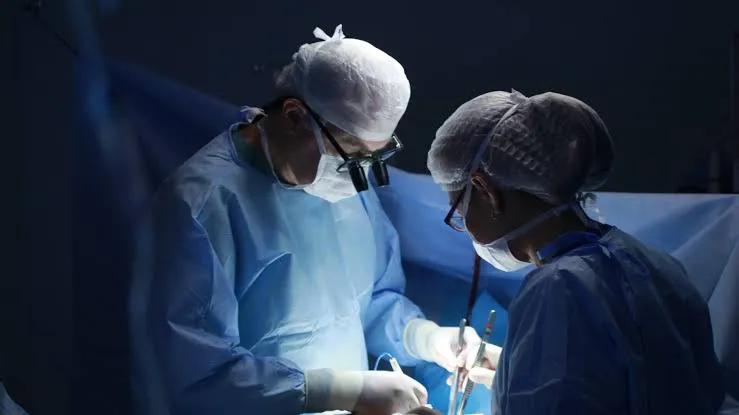
Bladder Cancer Hospital Bangalore: Advanced Diagnosis and Surgical Care
Bladder cancer is a condition that requires timely diagnosis, accurate staging, and personalized treatment. Depending on the type and stage of cancer, treatment may involve procedures, surgery, medicines, radiation therapy, or a combination of approaches. Patients searching for a bladder cancer hospital Bangalore can benefit from choosing a healthcare centre with experienced urologists, oncologists, advanced diagnostic facilities, and comprehensive follow-up services. Early consultation can help patients understand their condition and explore appropriate treatment options.
Understanding Bladder Cancer
The bladder is a hollow organ that stores urine before it leaves the body. Bladder cancer usually begins in the cells lining the inside of the bladder, called urothelial cells. It can develop as non-muscle-invasive cancer or progress into deeper layers of the bladder wall.
One of the most common warning signs is blood in the urine. Other possible symptoms include frequent urination, pain or burning while urinating, an urgent need to urinate, or difficulty passing urine. Since these symptoms may also occur because of infections and other urinary conditions, proper medical evaluation is important.
Diagnosis and Staging
Accurate diagnosis helps doctors determine the most suitable treatment. A specialist may begin by reviewing the patient’s medical history and symptoms and then recommend urine tests, blood tests, imaging studies, or cystoscopy.
Cystoscopy allows the doctor to examine the bladder using a specialized instrument. If an abnormal area is identified, tissue may be removed for laboratory analysis. Imaging techniques such as ultrasound, CT scans, or MRI may also help evaluate the urinary tract and determine whether the disease has spread.
Choosing the Right Bladder Cancer Hospital
Selecting an appropriate treatment centre is an important decision for patients and families. A comprehensive hospital may provide access to urology, medical oncology, radiation oncology, pathology, radiology, anesthesia, and critical-care services.
Patients can consider the experience of the medical team, diagnostic capabilities, surgical facilities, minimally invasive treatment options, postoperative care, and long-term monitoring when comparing hospitals. Multidisciplinary care can be particularly useful when treatment involves several specialties.
Bladder Cancer Surgery Options
Surgery plays an important role in treating several forms of bladder cancer. For non-muscle-invasive disease, transurethral resection of bladder tumour, or TURBT, is commonly used to remove abnormal tissue through the urinary passage. It does not require an external abdominal incision.
For selected patients with muscle-invasive disease, more extensive surgery may be necessary. Radical cystectomy involves removing the bladder and creating another route for urine to leave the body. Depending on the patient and clinical situation, reconstructive urinary procedures may also be considered.
Minimally Invasive Surgical Techniques
Advances in surgical technology have introduced minimally invasive approaches for selected bladder cancer procedures. Laparoscopic and robotic-assisted techniques may be considered in appropriate cases. Patients looking for bladder cancer surgery Bangalore should discuss the available surgical approaches with an experienced urologist.
The choice between open, laparoscopic, or robotic surgery depends on factors such as cancer stage, tumour location, previous treatments, overall health, and the surgeon’s assessment. Not every patient is suitable for minimally invasive surgery.
Treatment Beyond Surgery
Surgery may not be the only treatment required. Depending on the stage and characteristics of bladder cancer, doctors may recommend chemotherapy, immunotherapy, radiation therapy, or intravesical treatments.
Intravesical therapy delivers medication directly into the bladder and may be used for certain non-muscle-invasive cancers. For advanced disease, systemic treatments such as chemotherapy, immunotherapy, or targeted medicines may be considered according to the individual case.
Recovery and Follow-Up Care
Recovery after bladder cancer treatment varies depending on the procedure and overall health. Patients may receive guidance regarding wound care, urinary function, diet, physical activity, and medication.
Long-term follow-up is important because bladder cancer can recur. Monitoring may involve cystoscopy, urine tests, imaging, blood tests, and other examinations based on the patient’s risk and treatment history. Attending scheduled appointments allows doctors to identify changes early.
Making an Informed Treatment Decision
A bladder cancer diagnosis can be stressful, but understanding the condition and available treatment options can help patients make informed decisions. Bangalore has access to specialized urology and oncology services where patients can seek evaluation and individualized treatment planning.
Patients should discuss the cancer stage, treatment goals, surgical options, potential complications, recovery expectations, and follow-up schedule with qualified specialists. Timely medical consultation and continued monitoring can play an important role in comprehensive bladder cancer care.