

Discover the Untouched Beauty of the Sundarban
The Sundarban is an extraordinary destination for travelers who want to experience nature, wildlife, adventure, and peaceful surroundings. Located in the delta region of West Bengal, this remarkable mangrove ecosystem is famous for its winding rivers, narrow creeks, lush forests, and diverse wildlife. Unlike conventional holiday destinations, the Sundarban provides a chance to explore a landscape shaped by tides and waterways while experiencing the beauty of nature at a slower pace.
Why the Sundarban Is a Great Destination
The Sundarban offers a unique combination of scenic beauty and wildlife experiences. Much of the region is accessible by boat, allowing visitors to travel through waterways surrounded by mangrove forests. The peaceful atmosphere, changing landscapes, and opportunities to observe wildlife make the region appealing to nature lovers and adventure enthusiasts.
A Sundarban trip can be planned for families, couples, photographers, solo travelers, or groups. Depending on the itinerary, visitors may enjoy boat safaris, birdwatching, sightseeing, photography, and visits to nearby villages. The journey is not only about reaching a destination but also about experiencing the natural environment along the way.
Explore the Mangrove Forest by Boat
Boat safaris are one of the highlights of visiting the Sundarban. Traveling through rivers and creeks provides an excellent opportunity to observe the distinctive mangrove landscape. Local guides can explain the area's wildlife, plants, waterways, and conservation efforts while the boat moves through the forest.
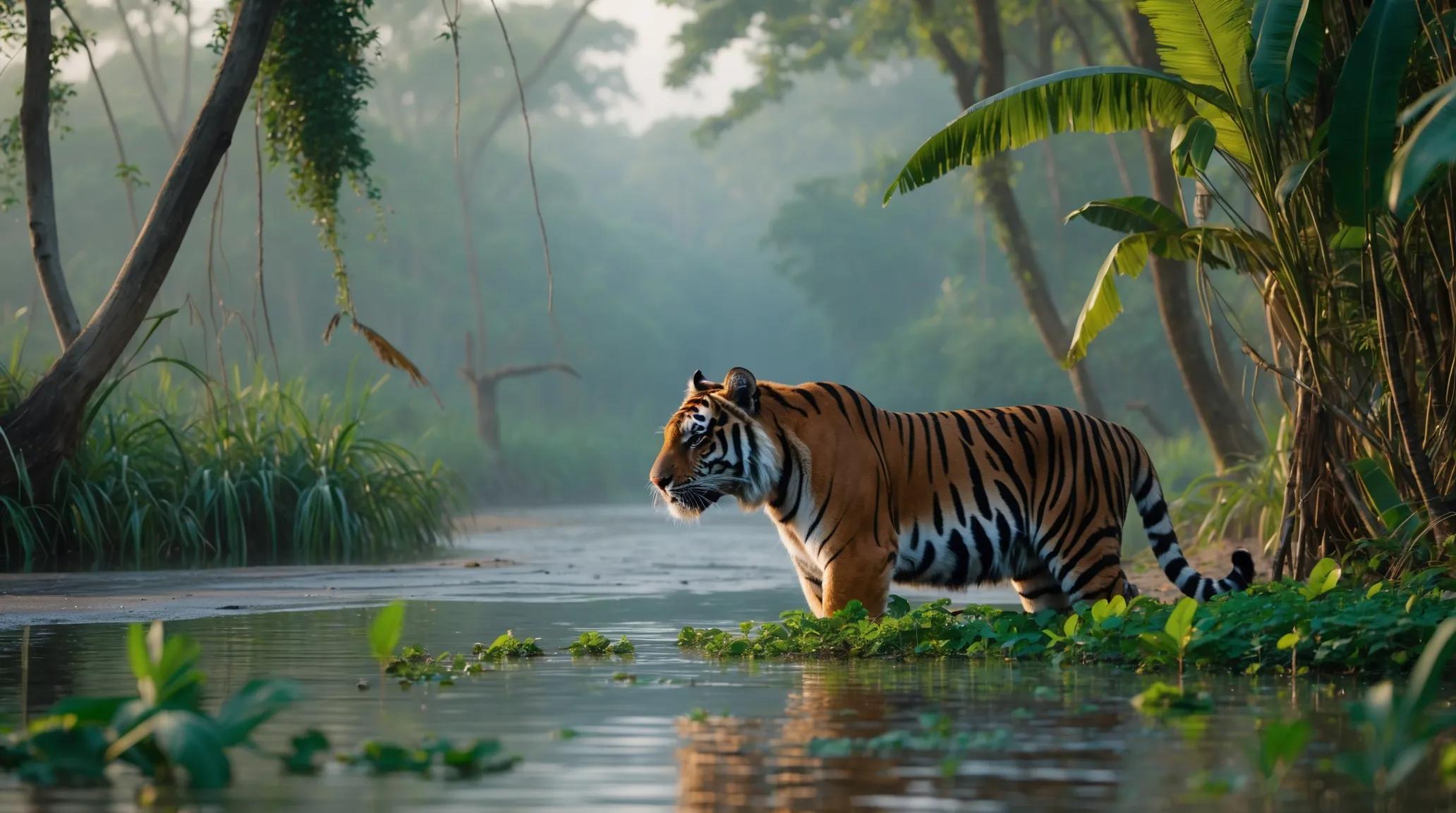
The Royal Bengal Tiger is the most famous animal associated with the Sundarban, although sightings are never guaranteed. Visitors may also see deer, monkeys, crocodiles, fish, and many bird species. Keeping noise low and following safety instructions helps create a safer and more enjoyable wildlife experience.
Experience Local Culture
The Sundarban is also home to communities whose lifestyles are closely connected with the natural environment. Visiting nearby villages can introduce travelers to local traditions, food, crafts, occupations, and everyday life.
Responsible cultural tourism can benefit both travelers and local communities. Visitors can support local guides, artisans, homestays, and small businesses while respecting local customs. Meaningful interactions with residents can add another dimension to the overall holiday experience.
The Sundarban is an environmentally sensitive ecosystem that requires careful protection. Visitors should avoid littering, disturbing animals, damaging plants, and creating excessive noise. Reducing plastic consumption and following instructions from guides and authorities can help minimize the environmental impact of tourism.
Choosing responsible operators and supporting local communities can encourage sustainable tourism. Every visitor can contribute to conservation through simple and respectful travel habits.
Plan Your Holiday With Travel Experts
A Sundarban holiday requires planning for transportation, accommodation, meals, sightseeing, and boat safari arrangements. Travelers unfamiliar with the region may find it easier to work with experienced travel providers who understand local routes and schedules.
Professional Sundarban travels services can help organize different parts of the journey according to a traveler's preferences and budget. Before selecting a provider, travelers should compare itineraries, accommodation options, transportation, safari arrangements, inclusions, safety measures, and customer feedback. Clear information can help prevent misunderstandings and make the holiday more comfortable.
Best Season to Visit
The cooler months are generally preferred for exploring the Sundarban because outdoor activities can be more pleasant. October through March is commonly chosen for sightseeing and boat excursions. However, weather conditions may influence travel schedules, so checking local conditions before leaving is recommended.
Essential items include lightweight clothing, comfortable footwear, sunscreen, sunglasses, insect repellent, and a hat. A waterproof bag is useful for protecting electronic devices and personal belongings during boat rides.
Practice Eco-Friendly Tourism
The Sundarban is an environmentally sensitive ecosystem that requires careful protection. Visitors should avoid littering, disturbing animals, damaging plants, and creating excessive noise. Reducing plastic consumption and following instructions from guides and authorities can help minimize the environmental impact of tourism.
Choosing responsible operators and supporting local communities can encourage sustainable tourism. Every visitor can contribute to conservation through simple and respectful travel habits.
Boat safaris are one of the highlights of visiting the Sundarban. Traveling through rivers and creeks provides an excellent opportunity to observe the distinctive mangrove landscape. Local guides can explain the area's wildlife, plants, waterways, and conservation efforts while the boat moves through the forest.
The Royal Bengal Tiger is the most famous animal associated with the Sundarban, although sightings are never guaranteed. Visitors may also see deer, monkeys, crocodiles, fish, and many bird species. Keeping noise low and following safety instructions helps create a safer and more enjoyable wildlife experience.
Conclusion
The Sundarban offers an unforgettable combination of wildlife, adventure, culture, and scenic waterways. From peaceful boat journeys to birdwatching and local experiences, travelers can discover many sides of this unique destination. With careful planning and responsible tourism practices, a holiday in the Sundarban can become a memorable experience while helping preserve its remarkable ecosystem for generations to come.