

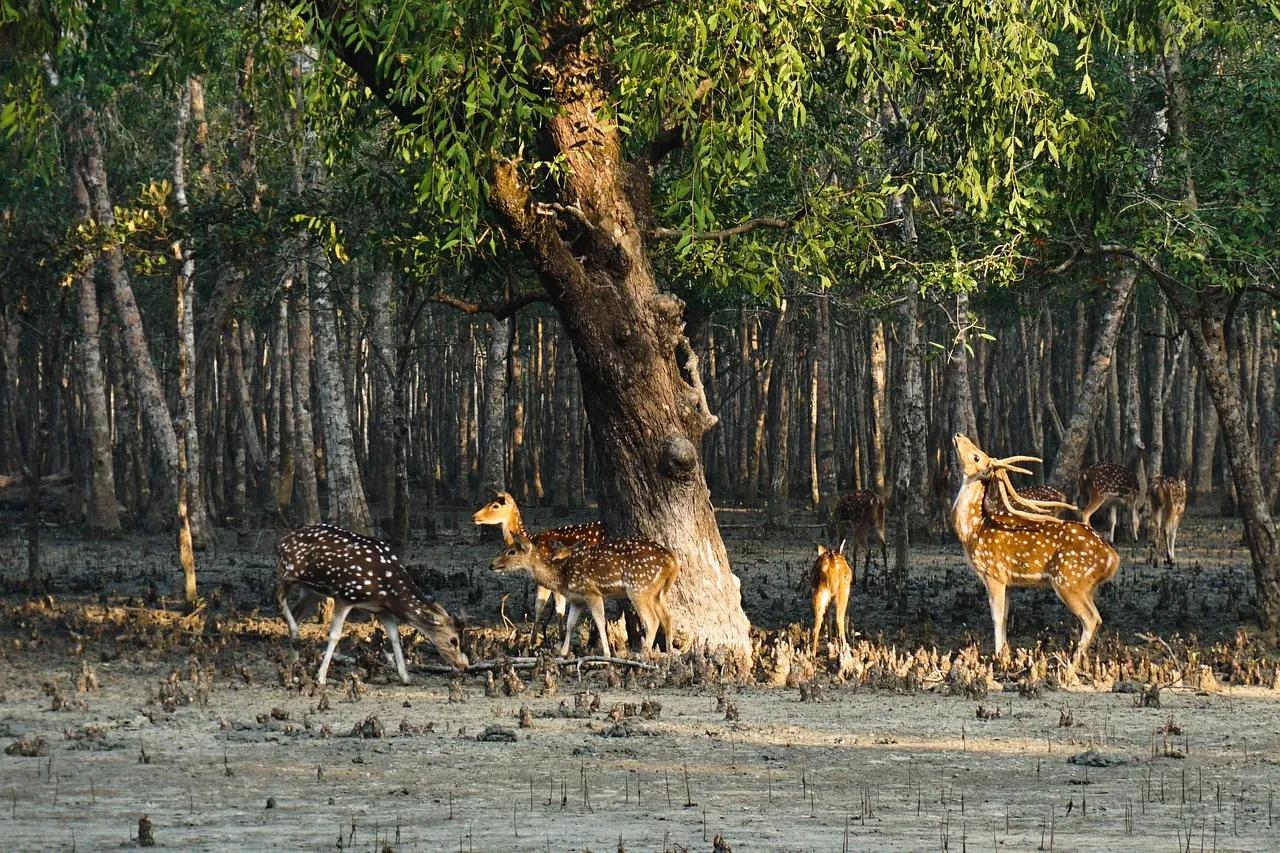
Discover the Natural Wonders of the Sundarban
The Sundarban is one of the most fascinating destinations in India for travelers who enjoy nature, wildlife, adventure, and peaceful surroundings. Located in the delta region of West Bengal, this extraordinary landscape is famous for its mangrove forests, winding waterways, rich biodiversity, and distinctive local culture. A journey to this region offers an opportunity to step away from busy city life and discover an environment shaped by rivers, tides, forests, and wildlife.
Why Visit the Sundarban?
The Sundarban provides a completely different travel experience compared with conventional tourist destinations. Much of the region is explored through rivers and creeks, making boat journeys an important part of the adventure. Visitors can enjoy scenic views of mangrove vegetation while learning about the unique ecosystem from experienced local guides.
A Sundarban trip can be ideal for families, couples, photographers, wildlife enthusiasts, and adventure seekers. Depending on the itinerary, travelers can enjoy boat safaris, birdwatching, sightseeing, photography, and cultural experiences. The peaceful surroundings and changing landscapes make each visit special and memorable.
Enjoy a Scenic Boat Safari
Boat safaris are among the biggest attractions in the Sundarban. Since waterways connect different parts of the region, boats allow visitors to explore areas that cannot be easily reached by road. Cruising through narrow creeks surrounded by mangrove forests provides a fascinating perspective of the natural environment.
During a safari, travelers may spot different species of birds, deer, monkeys, crocodiles, fish, and other wildlife. The Royal Bengal Tiger is the region's most famous animal, although sightings are never guaranteed. Following guide instructions and maintaining a safe distance from wildlife are essential throughout the journey.
Explore the Local Culture
The Sundarban is also home to communities whose lives are closely connected with the surrounding environment. Exploring nearby villages can give visitors an opportunity to understand local traditions, food, occupations, handicrafts, and everyday life.
Responsible cultural tourism can create meaningful experiences while supporting local communities. Travelers can choose local guides, purchase handmade products, and support small businesses where possible. Respecting local customs and asking permission before photographing people are also important aspects of responsible travel.
Select Reliable Travel Services
Planning a holiday to the Sundarban involves several details, including transportation, accommodation, meals, sightseeing, and boat safari arrangements. Organizing everything independently may require additional time and research, especially for first-time visitors.
Choosing professional Sundarban travels services can make the planning process more convenient. Travel providers may offer different itineraries based on duration, accommodation preferences, sightseeing requirements, and budget. Before making a reservation, travelers should check what is included, understand the itinerary, review accommodation options, and confirm transportation and safety arrangements.
Best Time to Visit the Sundarban
The cooler months are generally popular among travelers because outdoor sightseeing is more comfortable. October through March is often considered a suitable period for exploring the region and enjoying boat excursions. However, weather conditions can influence travel plans, so visitors should check local conditions before departure.
Packing lightweight clothing, comfortable footwear, sunscreen, sunglasses, insect repellent, and a hat can make outdoor activities easier. Travelers should also keep important personal items in a waterproof bag when spending extended periods on boats.
Practice Responsible Tourism
The Sundarban is an environmentally sensitive ecosystem, so protecting its natural resources is everyone's responsibility. Visitors should avoid littering, disturbing animals, damaging mangrove vegetation, or creating unnecessary noise during wildlife excursions.
Reducing plastic waste and following the instructions of guides and forest authorities can help preserve the region. Supporting responsible tourism operators also encourages sustainable practices and helps local communities benefit from tourism.
Conclusion
The Sundarban combines wildlife, adventure, scenic waterways, culture, and natural beauty into a remarkable travel experience. From peaceful boat rides and birdwatching to exploring local communities, there are many ways to enjoy this unique destination. With thoughtful preparation and responsible travel habits, visitors can experience the beauty of the Sundarban while helping protect its fragile ecosystem for future generations.